
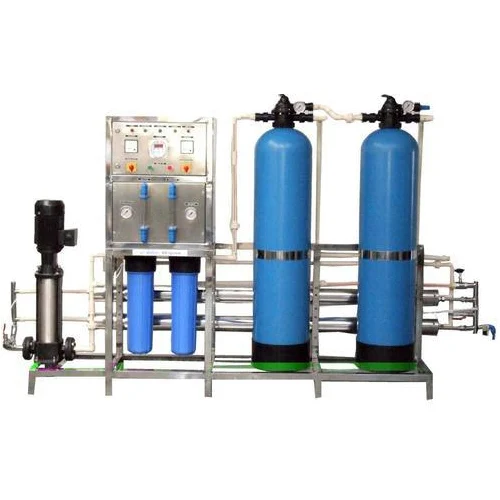
Reverse Osmosis (RO) systems are among the most reliable water purification technologies used in homes, industries, and commercial facilities. However, like any engineered system, RO plants can face operational issues over time. Identifying problems early and applying the right solutions can extend system life, reduce downtime, and maintain consistent water quality.
Below are the most common RO system problems and efficient ways to fix them.
1. Low Water Pressure or Reduced Flow Rate
Possible Causes
- Clogged pre-filters
- Fouled RO membranes
- Low inlet water pressure
- Partially closed valves or blocked pipelines
Efficient Fix
- Replace sediment and carbon filters regularly
- Check feed water pressure and install a booster pump if required
- Clean or replace fouled RO membranes
- Inspect pipelines and valves for blockages
Tip: Preventive maintenance is the most effective way to avoid flow-related issues.
2. Poor Water Quality or High TDS in Permeate
Possible Causes
- Damaged or exhausted RO membranes
- Incorrect membrane installation
- Worn-out O-rings or seals
- Improper operating pressure
Efficient Fix
- Conduct a TDS comparison between feed and product water
- Replace membranes if rejection rate drops below acceptable limits
- Ensure membranes are installed correctly
- Replace seals and O-rings during servicing
3. Frequent Membrane Fouling or Scaling
Possible Causes
- High hardness or silica in feed water
- Inadequate pre-treatment
- Insufficient antiscalant dosing
- Irregular system cleaning
Efficient Fix
- Install proper pre-treatment systems (softener, multimedia filter)
- Maintain correct antiscalant dosage
- Perform periodic chemical cleaning (CIP)
- Monitor feed water quality consistently
4. RO System Producing No Water
Possible Causes
- Power supply failure
- Pump malfunction
- Solenoid valve failure
- Extremely low feed pressure
Efficient Fix
- Check electrical connections and control panel
- Inspect high-pressure pump for faults
- Test solenoid valves and replace if needed
- Verify inlet pressure meets system design requirements
5. Excessive Waste Water (High Reject Ratio)
Possible Causes
- Improper flow restrictor
- High feed water TDS
- Fouled membrane surface
Efficient Fix
- Adjust or replace the flow restrictor
- Clean membranes to restore performance
- Optimize recovery rate based on water quality
6. Unusual Noise or Vibration
Possible Causes
- Air trapped in the system
- Pump cavitation
- Loose mechanical fittings
Efficient Fix
- Bleed air from pipelines
- Ensure adequate feed pressure to pumps
- Tighten mounting bolts and fittings
- Inspect bearings and motor alignment
7. Frequent Filter Replacement Requirement
Possible Causes
- High turbidity or suspended solids in feed water
- Inadequate pre-filtration design
Efficient Fix
- Upgrade pre-treatment stages
- Install automatic backwash filters
- Monitor filter differential pressure regularly
Preventive Maintenance: The Key to Efficiency
Regular inspection and scheduled maintenance significantly reduce operational issues. A well-maintained RO system:
- Operates at optimal efficiency
- Delivers consistent water quality
- Reduces operating costs
- Extends membrane and equipment life
Why Choose Quality Aqua Engineering?
At Quality Aqua Engineering, we specialize in:
- RO system design and installation
- Troubleshooting and performance optimization
- AMC (Annual Maintenance Contracts)
- Industrial, commercial, and residential water treatment solutions
Our expert engineers ensure your RO system operates reliably with minimal downtime.
Need Professional RO System Support?
Contact Quality Aqua Engineering today for expert diagnostics, maintenance, and customized water treatment solutions.