
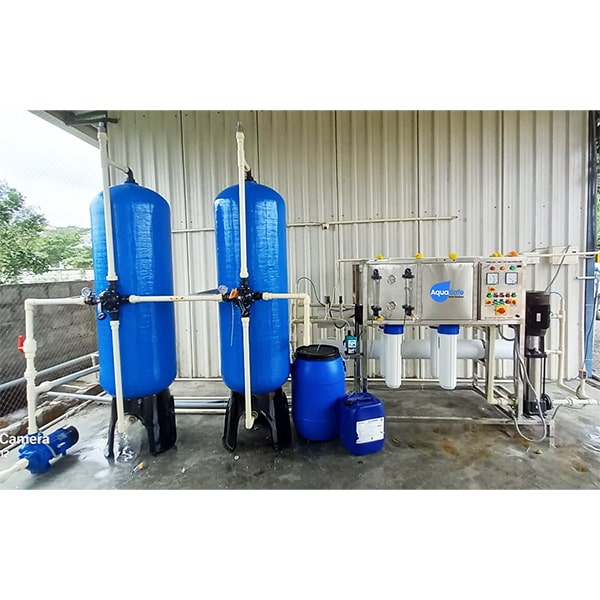
Your Definitive Guide to Reverse Osmosis (RO) Plants
Reverse Osmosis (RO) plants are at the core of modern water purification technologies. They transform raw or contaminated water into high-purity water suitable for drinking, industrial processes, commercial use, and more. At Quality Aqua Engineering, we specialize in designing efficient and durable RO systems tailored to client needs. This guide explains how RO purification works, how to select the right capacity, and how to maintain your RO system for long-term performance.
1. Understanding the RO Purification Process
Reverse Osmosis is a pressure-driven filtration process where water is forced through a semi-permeable membrane. This membrane blocks dissolved solids, contaminants, and microorganisms while allowing only purified water to pass through. A standard RO purification system includes the following stages:
- Pre-Treatment: Removes suspended particles, sediment, chlorine, and organic compounds to protect the RO membrane from fouling or damage.
- Reverse Osmosis: High pressure overcomes the natural osmotic pressure, pushing water molecules through the membrane while rejecting impurities as concentrated brine.
- Post-Treatment: Depending on application requirements, the purified water may undergo pH balancing, UV disinfection, or remineralization.
2. Choosing the Right RO Plant Capacity
Selecting the correct capacity is crucial for optimizing operating cost, performance, and reliability. RO plants are typically rated in Liters Per Hour (LPH) or Gallons Per Day (GPD). When determining the right size, consider the following factors:
- Water Quality (TDS Levels): High TDS or contaminated water may require more robust membranes or additional pre-treatment steps.
- Flow Demand: The total and peak water consumption determines whether you require systems such as 250 LPH, 500 LPH, 1000 LPH, or large industrial units exceeding 10,000 LPH.
- Recovery Rate: Industrial RO systems typically recover between 50% and 85% of feed water, depending on feed quality and membrane type.
- Membrane Surface Area & Pressure: Total output depends on the number of membranes, their surface area, and the operating water pressure.
3. Essential RO Plant Maintenance Practices
Proper maintenance ensures that an RO system continues to operate efficiently and delivers high-quality water. Neglecting maintenance leads to pressure drops, fouling, membrane failure, and higher operating costs. Key maintenance activities include:
- Regular Membrane Cleaning: Membranes accumulate biological, chemical, or mineral deposits over time. Scheduled Chemical Cleaning-in-Place (CIP) restores their performance.
- Timely Pre-Filter Replacement: Sediment and carbon filters should typically be replaced every 3–6 months to protect the RO membrane.
- Performance Monitoring: Monitoring parameters such as feed pressure, permeate flow, and TDS rejection helps identify early signs of fouling or malfunction.
- Pump & Pressure Checks: Ensure the high-pressure pump delivers consistent pressure as required for optimal membrane performance.
4. Benefits of Using RO Plants
- Removes dissolved solids, heavy metals, bacteria, and chemical contaminants
- Ensures a reliable supply of clean drinking or process water
- Prevents scaling in pipelines, boilers, and processing equipment
- Improves the lifespan of industrial machinery
- Suitable for commercial, industrial, and domestic applications
5. Why Choose Quality Aqua Engineering?
Quality Aqua Engineering offers robust, high-efficiency RO systems designed for long-term reliability. Whether you require compact commercial RO units or large-scale industrial plants, we ensure:
- Precision Engineering: Systems designed based on exact water quality and application needs.
- Superior Efficiency: Optimized for maximum recovery and reduced energy usage.
- Complete Support: From installation and commissioning to annual maintenance contracts (AMC).
Investing in the right RO plant ensures consistent water quality and operational efficiency. Let Quality Aqua Engineering help you choose, install, and maintain the perfect RO system for your needs.
Contact us today for expert consultation and customized RO solutions!