April 2026

Uncategorized

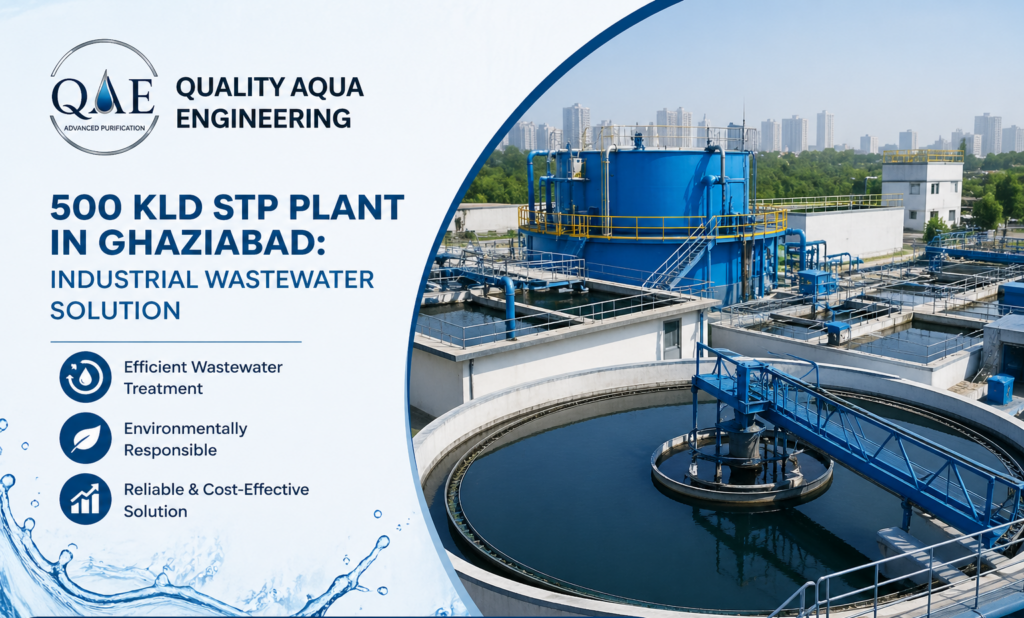
500 KLD STP Plant in Ghaziabad: Industrial Wastewater Solution

Industrial growth in Ghaziabad has led to a sharp rise in wastewater generation, creating serious environmental and compliance challenges for factories, warehouses, and large commercial units. Untreated sewage and effluent not only harm the environment but can also result in heavy penalties and operational disruptions. A 500 KLD STP (Sewage Treatment Plant) is a powerful […]
Uncategorized

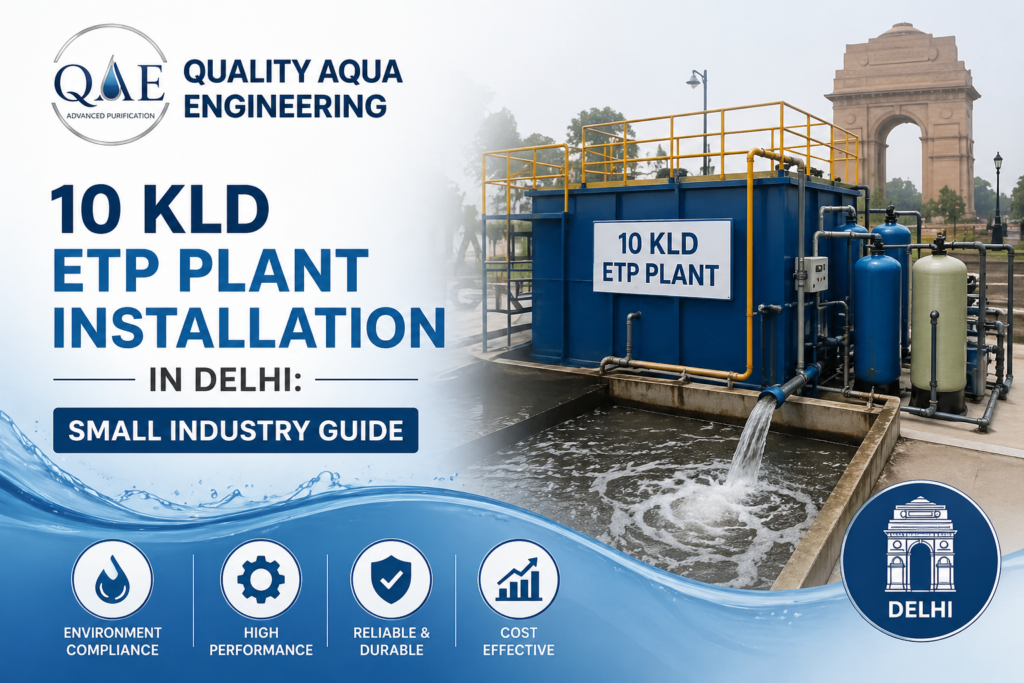
10 KLD ETP Plant Installation in Delhi: Small Industry Guide

Delhi’s rapidly growing industrial sector faces a serious challenge—safe and compliant disposal of industrial wastewater. Small industries often struggle with pollution control norms, rising water costs, and environmental responsibilities. Without proper treatment, untreated effluent can lead to heavy penalties, operational shutdowns, and damage to brand reputation. This is where a 10 KLD ETP (Effluent Treatment

Uncategorized

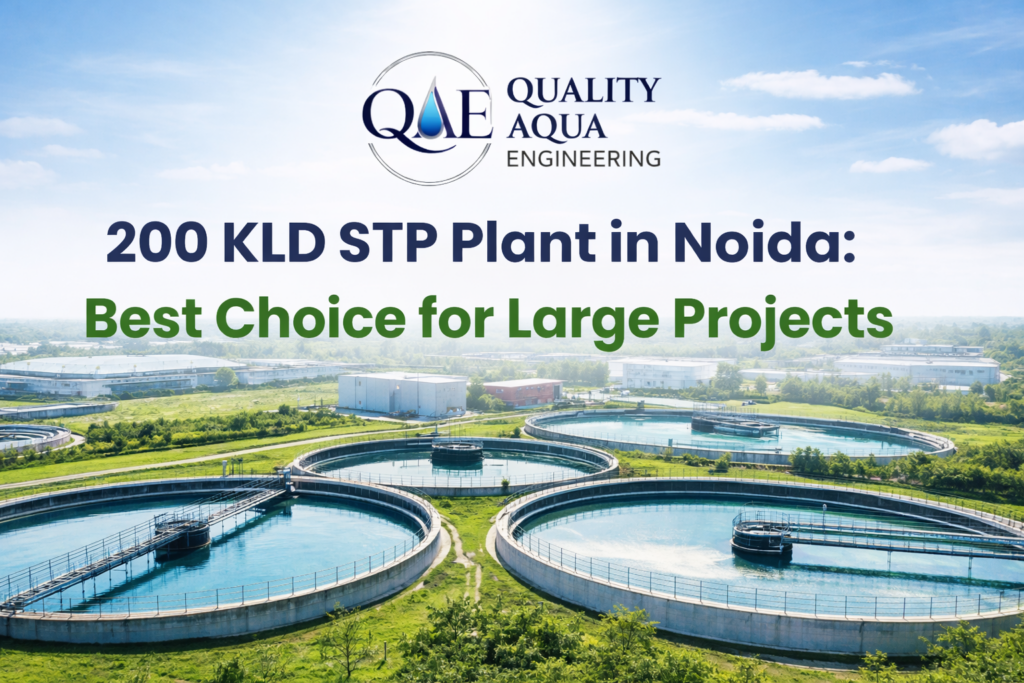
200 KLD STP Plant in Noida: Best Choice for Large Projects

In rapidly growing urban hubs like Noida, managing wastewater efficiently has become a serious challenge for large residential societies, commercial complexes, hospitals, and industrial projects. Increasing water scarcity, strict environmental regulations, and rising water costs make untreated sewage a major concern. A 200 KLD STP (Sewage Treatment Plant) is the perfect solution for such large-scale

, , , ,
Uncategorized

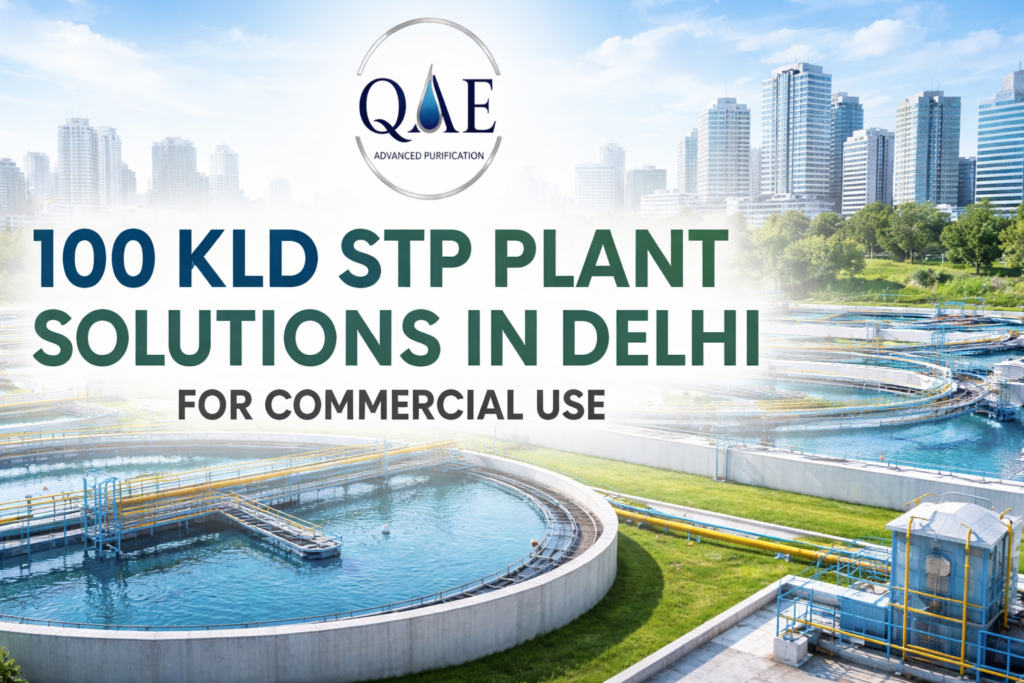
100 KLD STP Plant Solutions in Delhi for Commercial Use

Delhi’s rapid urbanization and rising water demand have made wastewater management a critical challenge for commercial properties. From office complexes to malls and hotels, untreated sewage not only harms the environment but also leads to legal penalties under pollution norms. Businesses in Delhi are now actively adopting sustainable solutions like 100 KLD Sewage Treatment Plants

, , , ,
Uncategorized

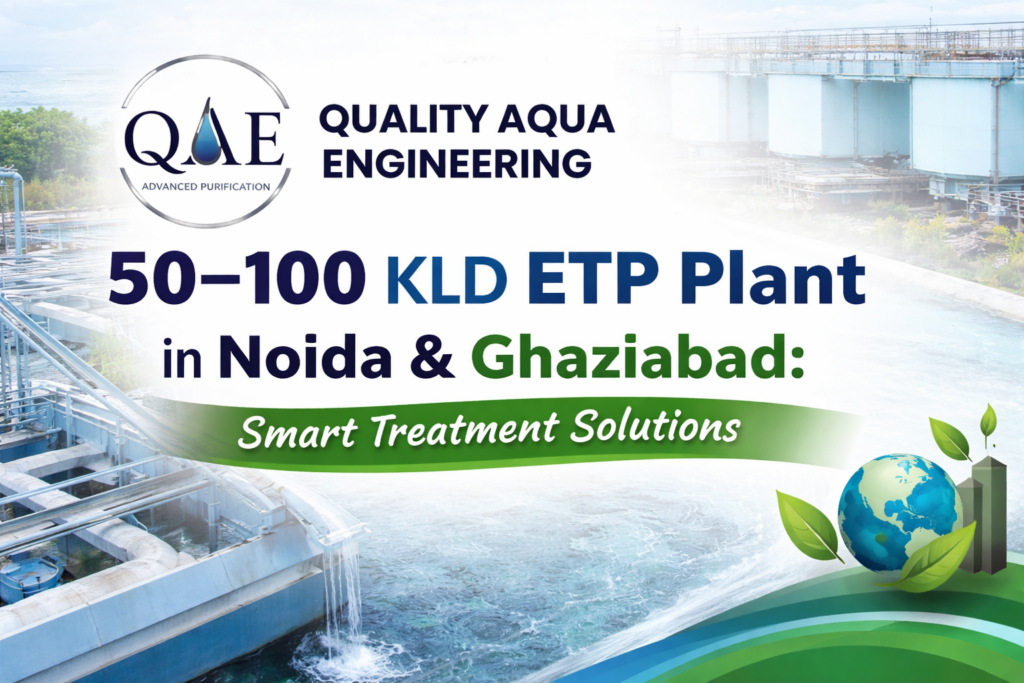
50–100 KLD ETP Plant in Noida & Ghaziabad: Smart Treatment Solutions

Industrial growth in Noida and Ghaziabad has increased the need for efficient wastewater treatment systems. Factories, food units, textile industries, pharma companies, and manufacturing plants generate wastewater daily that must be treated before discharge. Without proper treatment, businesses may face pollution penalties, legal notices, and environmental risks. A 50–100 KLD ETP Plant in Noida &

, , , , ,
Uncategorized

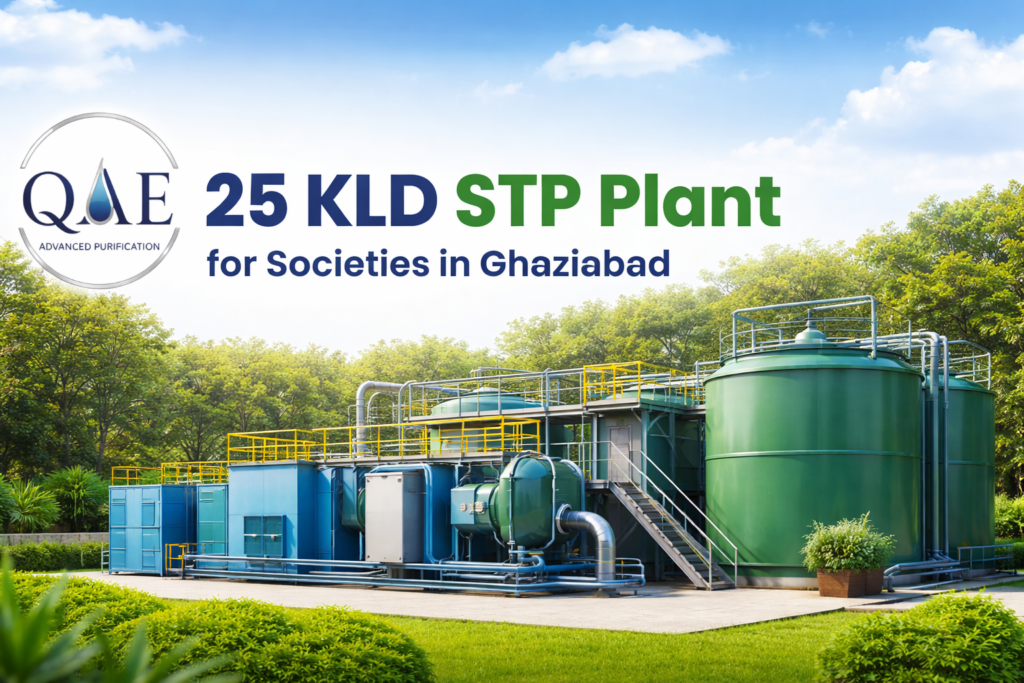
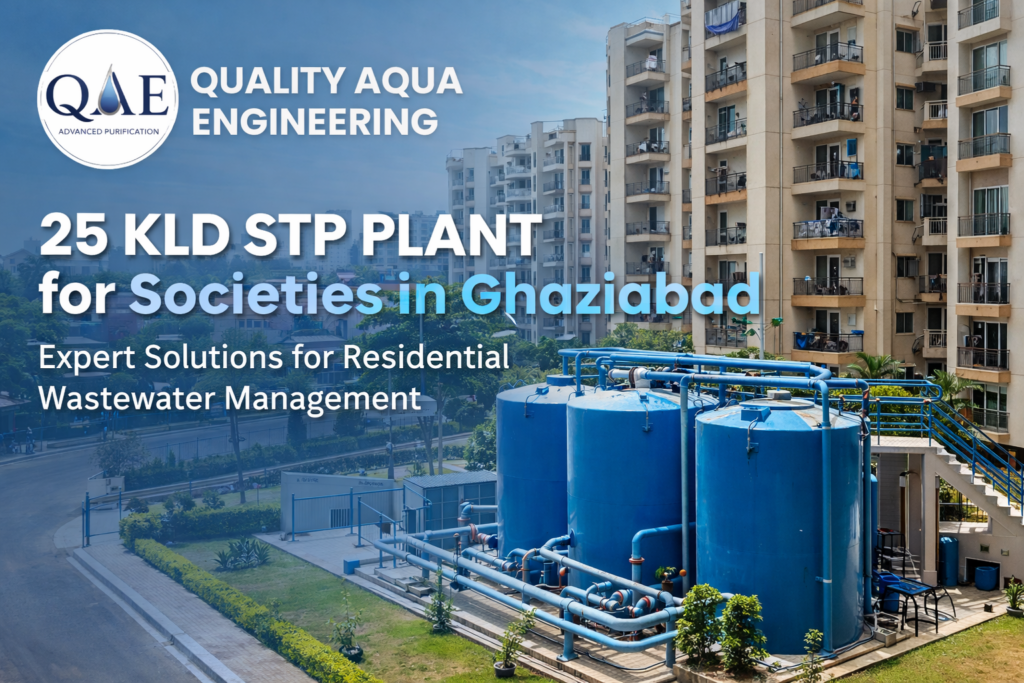
25 KLD STP Plant for Societies in Ghaziabad

Rapid urban development in Ghaziabad has increased the demand for residential societies and apartments. With this growth comes a major challenge—proper sewage management. Untreated wastewater can create foul smell, pollution, waterlogging, and legal compliance issues for societies. A 25 KLD STP Plant for Societies in Ghaziabad is the ideal solution for medium-sized residential complexes looking

Uncategorized

25 KLD STP Plant for Societies in Ghaziabad

Rapid urbanization in Ghaziabad has increased water consumption in residential societies, leading to a major challenge—wastewater management. Untreated sewage not only pollutes the environment but also leads to foul odors, health risks, and non-compliance with pollution norms. A 25 KLD STP (Sewage Treatment Plant) is an ideal solution for small to mid-sized societies, helping recycle

, , , ,
Uncategorized

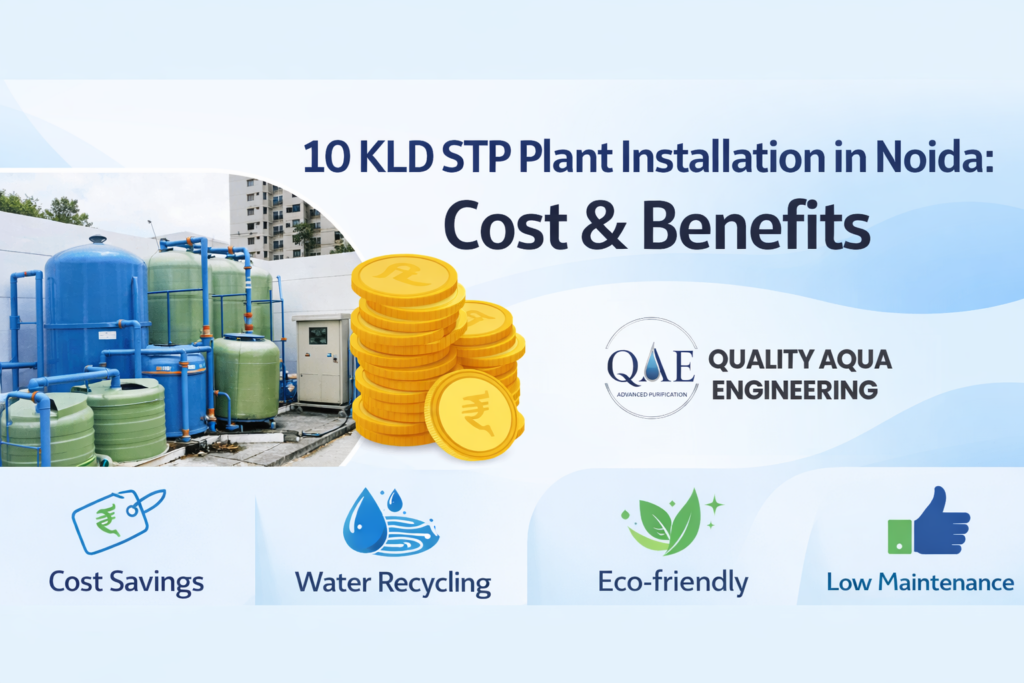
10 KLD STP Plant Installation in Noida: Cost & Benefits

With rapid urbanization in Noida, wastewater management has become a major concern for residential societies, commercial buildings, and small industries. Untreated sewage not only harms the environment but can also lead to legal penalties and health risks. To tackle this growing problem, installing a 10 KLD (Kilo Litres per Day) Sewage Treatment Plant (STP) is

, , , , ,
Uncategorized

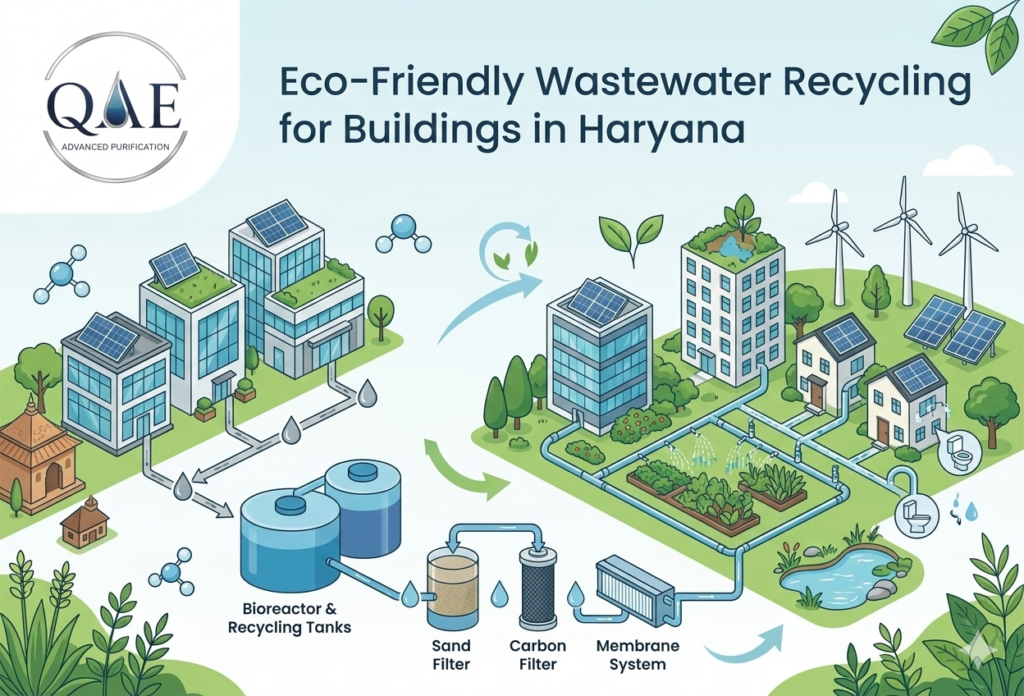
Eco-Friendly Wastewater Recycling for Buildings in Haryana

Water scarcity and wastewater management are growing concerns for residential complexes, commercial buildings, and institutional facilities across Haryana. Rapid urbanization in cities like Gurgaon, Faridabad, Sonipat, and Panipat has increased water demand while wastewater discharge continues to strain local drainage systems and the environment. Without proper treatment and recycling, buildings face water shortages, higher water

Scroll to Top